How to start your own dog walking or pet sitting business
To start your own dog walking or pet sitting business in the US, set it up the way your state and city ask, put money aside for taxes, get insured, set rates from your own costs, find clients close to home, and have an agreement and intake form ready before the first visit.

Photo: Marsha Reid on Unsplash
How do you set up a dog walking business legally?
Most walkers and sitters start as a sole proprietor, which takes no paperwork if you work under your own legal name. A business name usually means registering a DBA, and an LLC is registered with your state. Then check what your city and county ask for, because licenses and permits vary from place to place.
According to the SBA, if you do business as yourself, under your legal name, you won’t need to register anywhere. As a sole proprietor, though, you can be held personally liable for the business’s debts. An LLC protects you from personal liability in most cases, and most states register LLCs through the Secretary of State’s office.
Licenses and permits depend on what you do and where you do it, and so do the fees. Look at your city and county websites, and your Secretary of State’s, before your first paid visit.
You need an Employer Identification Number (EIN) from the IRS if you hire employees or form a partnership or corporation, among a few other cases the IRS lists. Without one, a sole proprietor can use their Social Security number. If you do apply, it’s free. Don’t use a website that charges for it.
Open a separate bank account for the business, so its money stays apart from yours when you do your taxes.
What taxes do you pay as a self-employed dog walker?
You pay income tax and self-employment tax, which is Social Security and Medicare. No employer takes it out of your pay, so the IRS expects you to pay as you go: estimated tax in four payment periods a year, if you expect to owe $1,000 or more when you file your return.
You have to file a tax return once your net earnings from self-employment reach $400 in a year.
Keep a record of what the business costs you from the first day: leashes, poop bags, treats, insurance, and the miles you drive between visits. A tax preparer can tell you which of those you can deduct and how much to put aside from each payment.
Do you need insurance and bonding as a dog walker or pet sitter?
Insurance and a bond pay out for different things. Liability insurance covers accidents, such as someone getting hurt or a client’s property damaged. A bond covers theft: it pays your client back if someone working for you steals from their home. When a client asks whether you’re bonded and insured, know which you have.
The SBA describes general liability insurance as protection against financial loss from bodily injury, property damage and medical expenses. When you get quotes, ask whether the policy covers the animals in your care, and how many dogs it lets you walk at once.
A business services bond covers losses from employee dishonesty: cash, jewelry, electronics or other property taken from a client’s home. Old Republic Surety, which writes these bonds, says that in most states the employee must be convicted before the bond applies. If you work alone, ask the bond company whether it covers you as the owner.
If you drive dogs anywhere, ask your car insurer whether your policy covers driving for work.
Prices depend on your state, your services and the insurer, so get quotes from more than one. We don’t list prices here.
How much should you charge for dog walking?
Start from what each visit costs you and what you want to earn, then look at what walkers near you charge. Count your driving, insurance, supplies and the unpaid time between visits. Aim for a rate that covers all of that and still leaves you a fair hour’s pay. A national average can’t tell you that.
The dog walking rate calculator shows the least a walk is worth in your ZIP code, from local wages and your driving. Then it takes your prices, your hours and your costs and shows what a year earns against the income you want.
If you’re on Rover now, the price on your profile isn’t what you take home. In most of the US, Rover keeps 20% of each booking. The Rover fee calculator shows what that adds up to over a month and a year.
Decide your extras before a client asks: a second dog, holidays, late cancellations, a key pickup. Write them down once, and you’ll quote the same price every time.
The free starter kit has a price sheet you can fill in with your own rates.
How do you find your first dog walking clients without an app?
Start where dog owners already are: your street and building, the dog park at the hours you’d walk, and the vets, groomers and pet shops nearby. Tell people you know that you’ve started. Leave a flyer wherever a shop says you can, and ask each client you’re happy with for one referral.
A vet, groomer or pet shop owner who has met you can pass your name on when a client asks who walks dogs nearby. Ask before you leave flyers or cards, and leave a few, not a stack.
Post in your neighborhood’s online groups, and set up a free Google Business Profile, so someone searching for a dog walker or cat sitter near them can find you.
After the first few visits, ask the client for a review while the visits are fresh in their mind.
The free starter kit has a flyer, and texts you can copy to ask for reviews and referrals.
What paperwork do you need before the first visit?
You need two documents: a service agreement and an intake form. The agreement says what you’ll do, what it costs, when payment is due, your cancellation policy and how keys are handled. The intake form records each pet’s needs, the vet’s details and an emergency contact, so you’re never guessing in someone’s home.
An intake form should cover:
- Feeding, medication and allergies
- How the dog behaves with people, other dogs and on the leash
- The vet’s name and number, and the client’s permission to get emergency care
- An emergency contact who isn’t the client
- Door codes, the alarm, and where the leash and towels are kept
A template is a starting point, not legal advice. If you can, have a lawyer in your state read your agreement.
The free starter kit has a service agreement and an intake form to start from.
Can you keep working on Rover while you find your own clients?
Yes, if you keep the two apart. Rover’s terms don’t let you move clients you met on Rover off the platform, so keep those bookings on Rover. The clients you find yourself, through neighbors, flyers, your vet or a referral, book you directly, and Rover takes nothing from those bookings.
Staying on Rover while your own list grows keeps money coming in. When your direct bookings cover your bills, you can choose how much Rover work to keep.
Do I need a license to be a dog walker?
It depends on where you work. Your city or county may ask for a business license, and the rules change from place to place. Check your city and county websites, and your Secretary of State's, before your first paid visit.
Should a dog walker form an LLC?
You don't need one to start. Working under your own legal name as a sole proprietor needs no registration, but you're personally liable for the business's debts. An LLC protects your personal assets in most cases. Your state registers LLCs, usually through the Secretary of State's office.
What's the difference between bonded and insured?
Liability insurance covers accidents: an injury, or damage to someone's property. A bond covers theft: it pays your client back if someone working for you steals from their home. In most states the person has to be convicted before the bond pays.
Do I need an EIN as a solo dog walker?
Usually not. You need one if you hire employees or form a partnership or corporation, and a sole proprietor can use their Social Security number. An EIN is free from the IRS, so never pay a website for one.
Do dog walkers pay quarterly taxes?
Most do. If you expect to owe $1,000 or more when you file, the IRS expects you to pay estimated tax through the year, in four payment periods. It covers income tax and self-employment tax for Social Security and Medicare.
Can I take my Rover clients with me?
No. Rover's terms don't let you move clients you met on Rover off the platform. Keep those bookings on Rover, and find your own clients alongside them.
Where to go from here
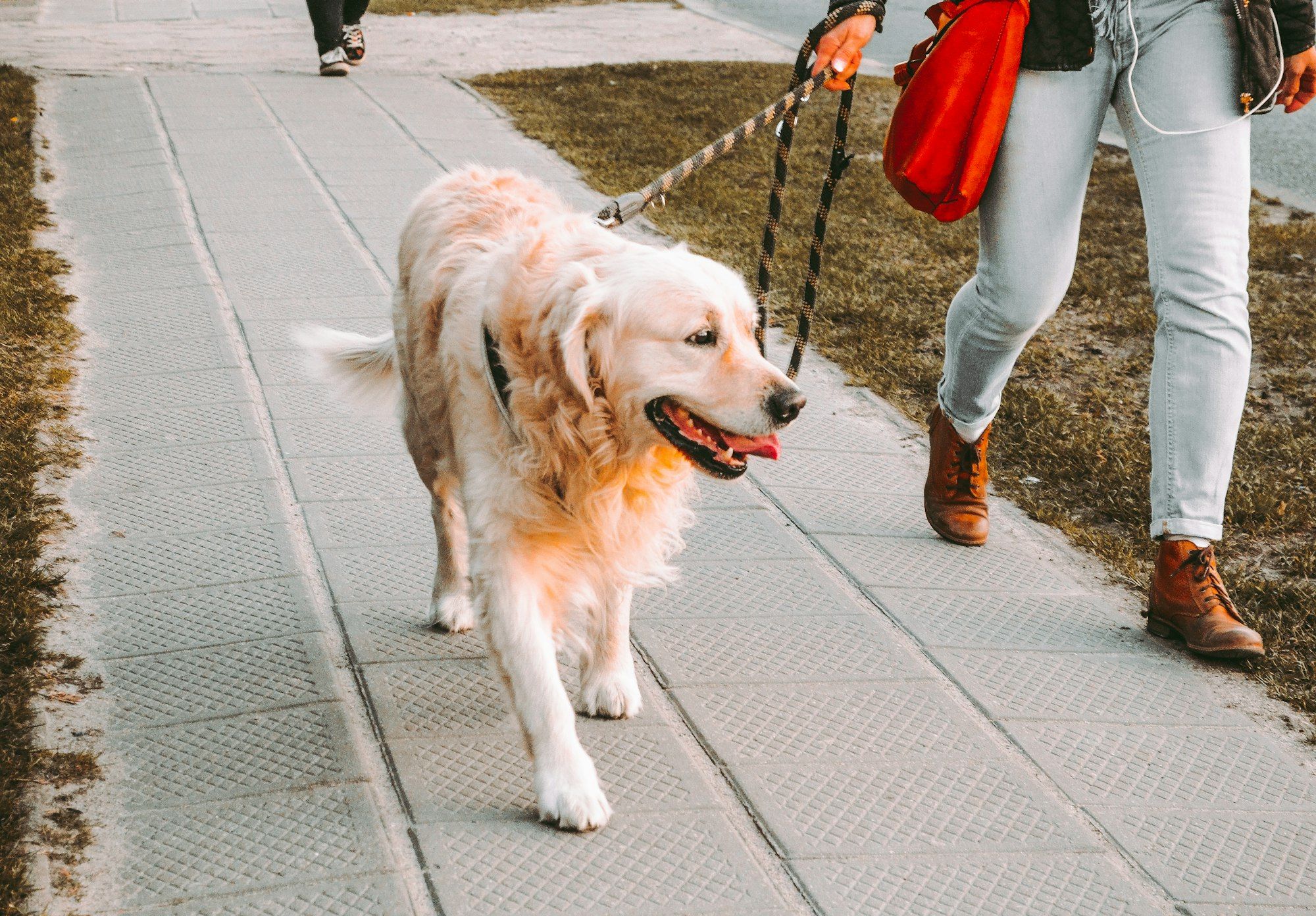
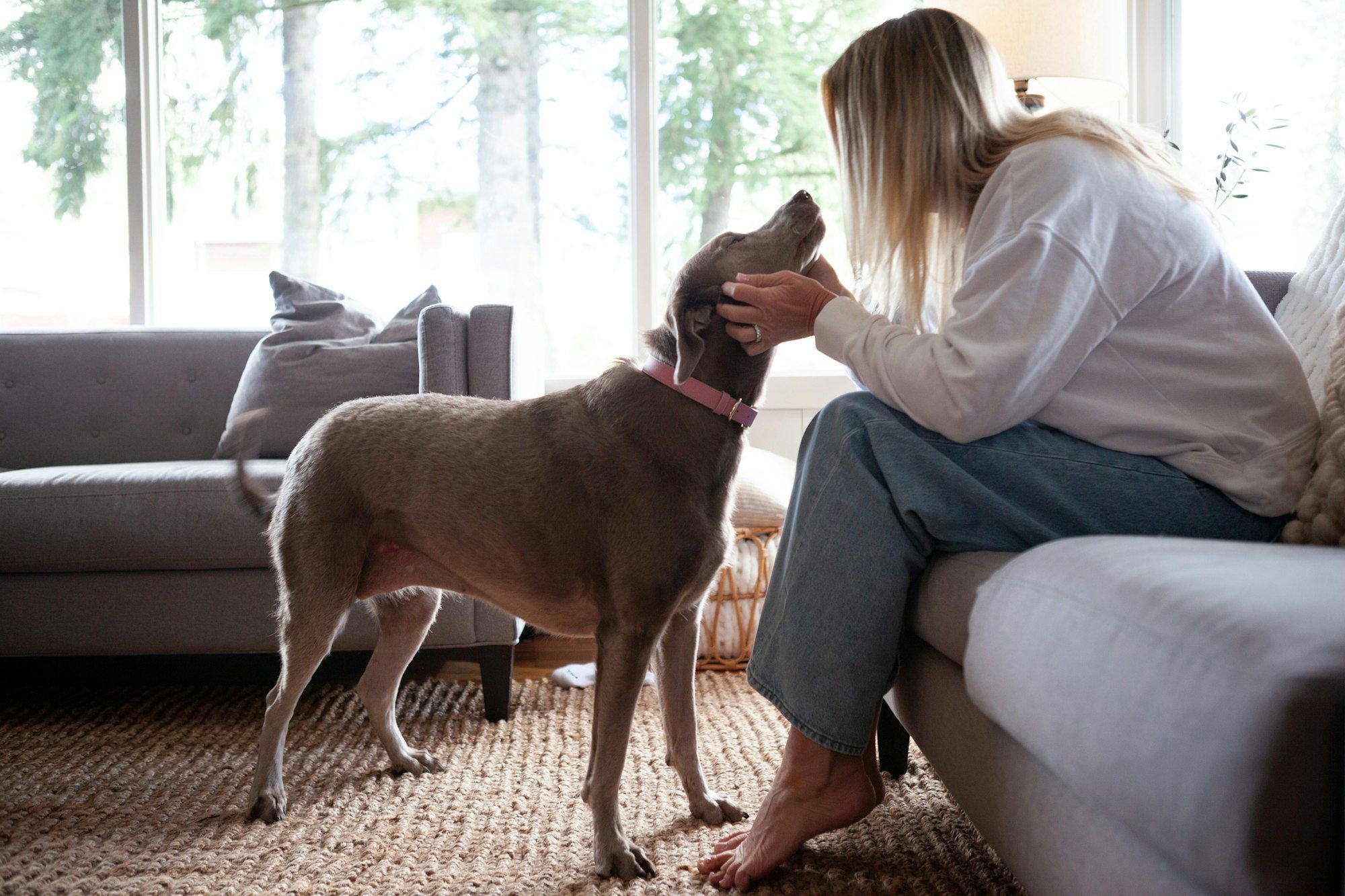
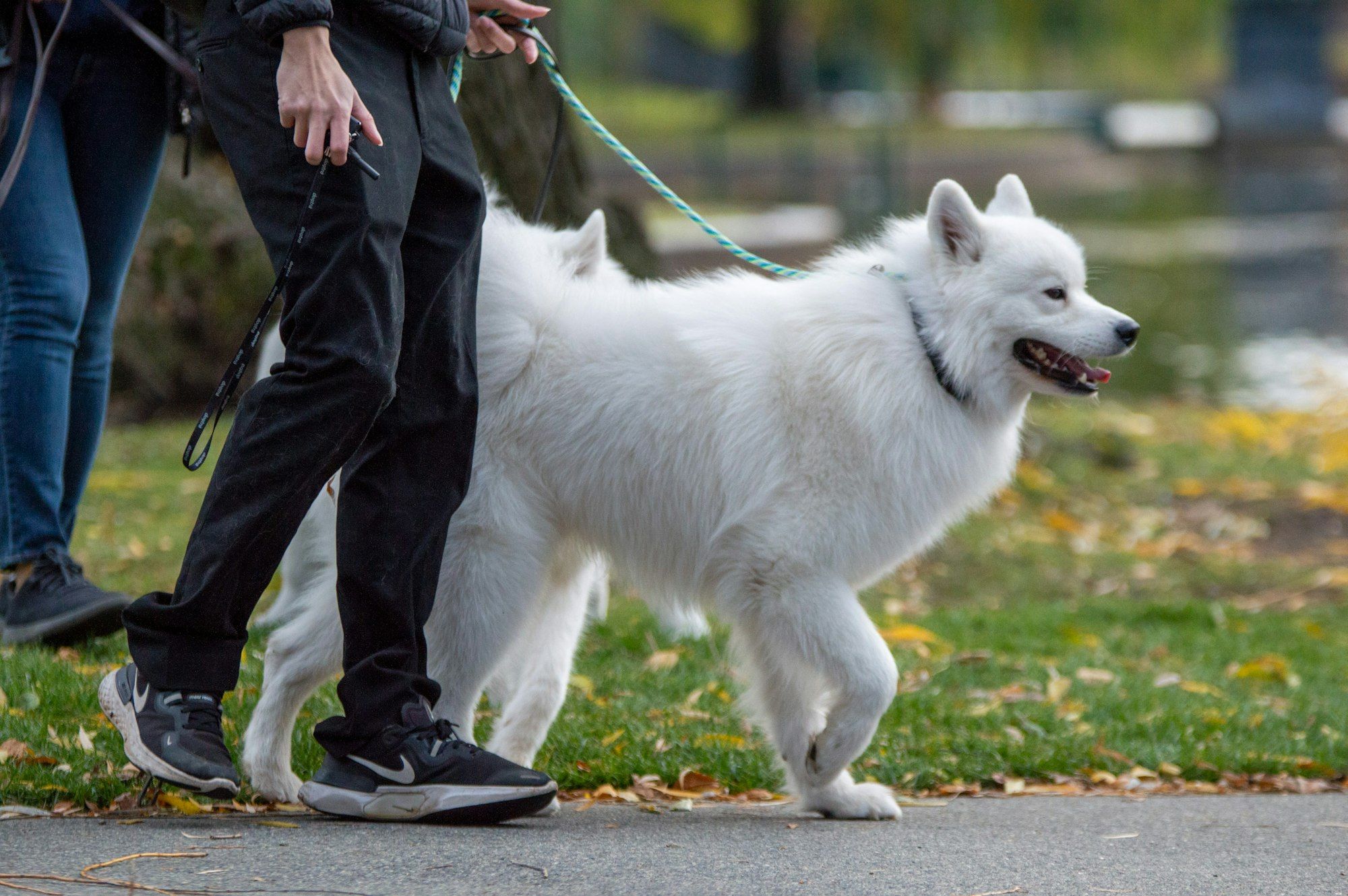
Photos: Andriyko Podilnyk, Erin Vey and Christian Testa on Unsplash
When you're ready to run this without spreadsheets
Reeve is software for independent dog walkers, pet sitters and mobile groomers. It keeps your schedule, clients and pets in one place, and your clients book, fill in forms and pay you from a browser, with no app or account. Solo is $49 a month, flat, and Reeve never takes a percentage of your bookings.
- A booking page where new clients book or request a visit
- Your intake form, filled in before the first visit
- Invoices built from each booking, paid by card, Apple Pay or Afterpay, or by Venmo, Cash App, PayPal or Zelle
- Each pet's feeding, meds and notes, there when you arrive
- The miles between stops logged at the IRS rate, ready for tax time
- Reeve AI, an add-on from $39 a month, answers your clients' texts and books or moves visits, and you approve each change with a single tap
15 days free · Card required, your plan starts on day 16 · Cancel anytime · We move your clients for you
Checked on
- SBA: Choose a business structure
- SBA: Register your business
- SBA: Apply for licenses and permits
- SBA: Get federal and state tax ID numbers
- IRS: Get an employer identification number
- IRS: Self-employed individuals tax center
- IRS: Estimated taxes
- SBA: Get business insurance
- Old Republic Surety: Business services bonds
- Rover: What are the service fees?